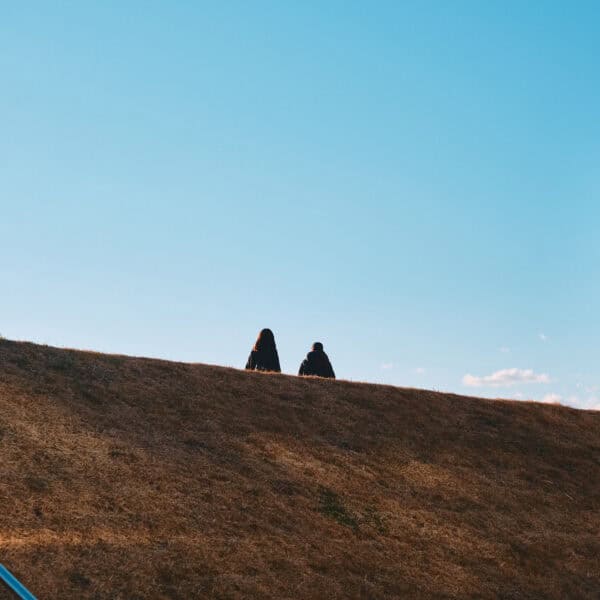
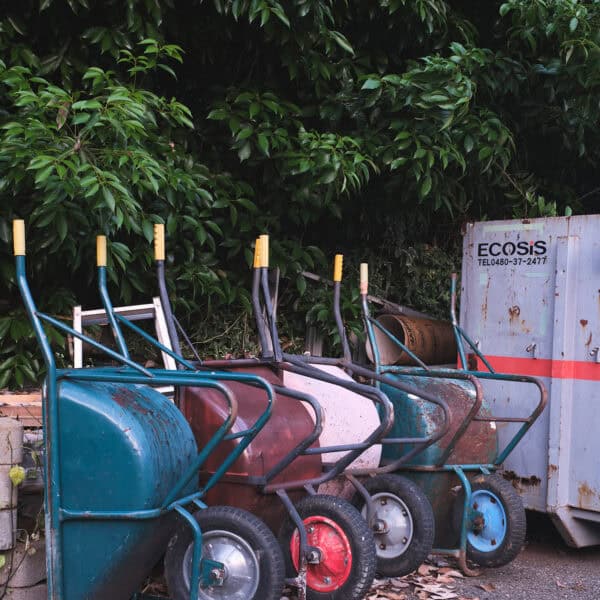
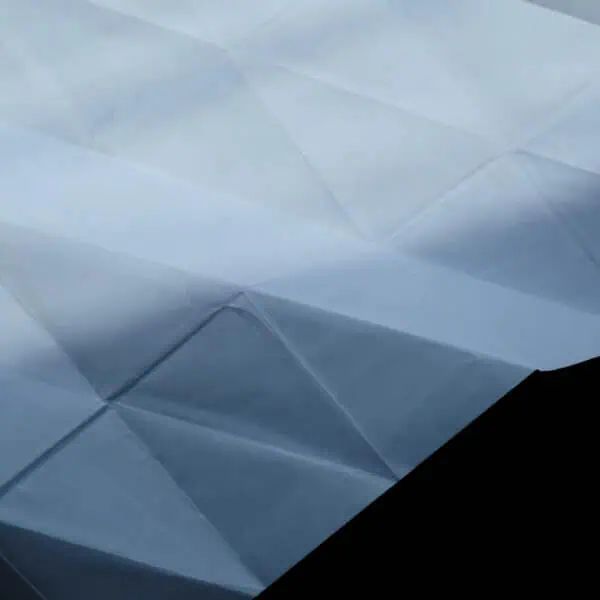
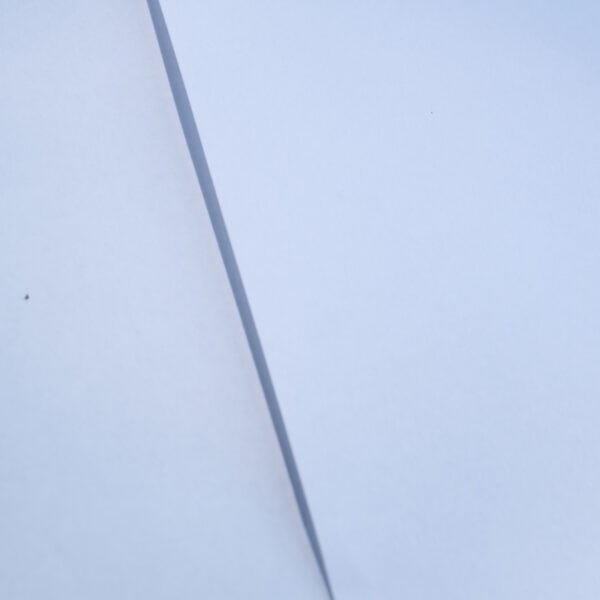
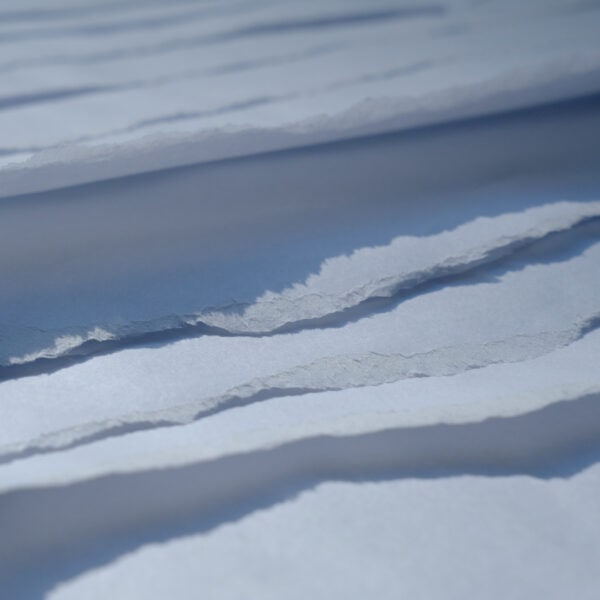
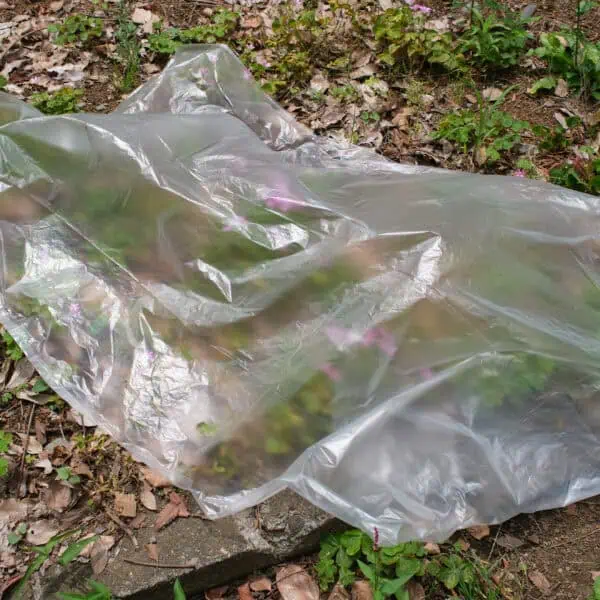
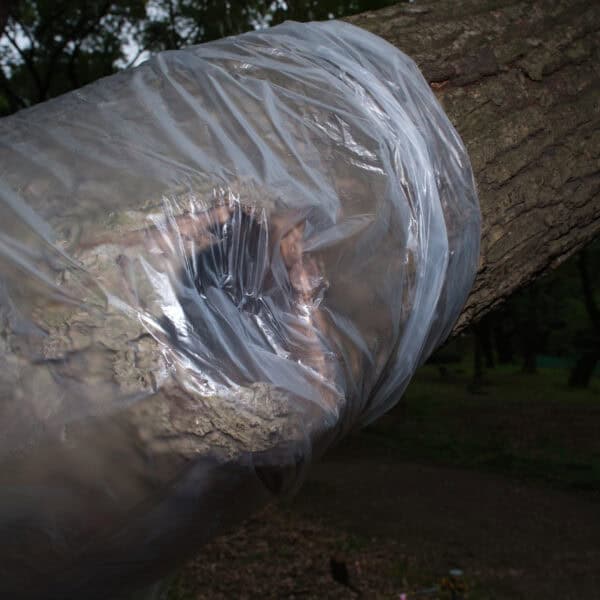
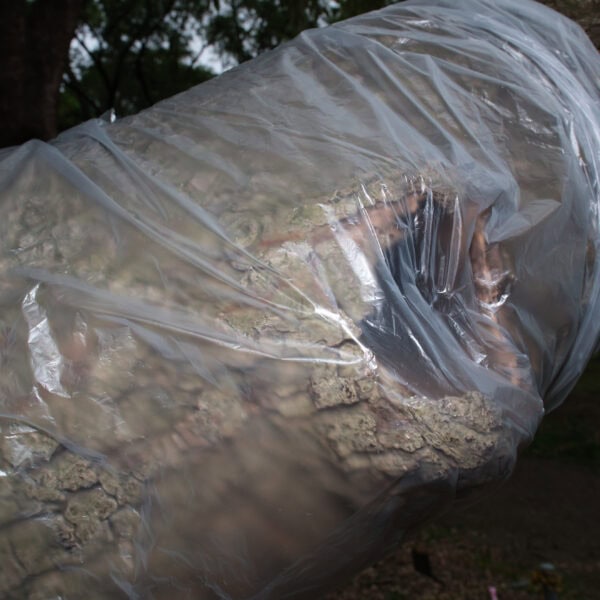
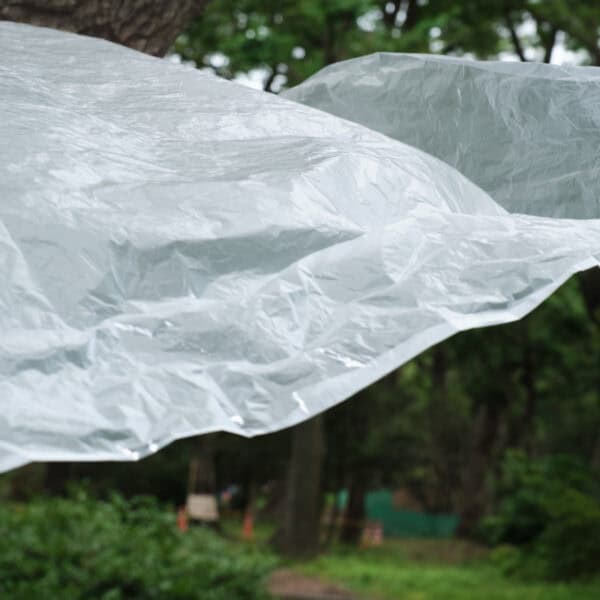
大学の講義の事前課題として『キーワードから連想される写真』を撮影し、講義当日は1日目に『紙』、2日目に『ビニール』をモチーフとして撮影しました。撮影に特別な制限はなく、自由に撮りました。
1日目は、紙そのものの質感や柔らかさ、そして折り曲げたり重ねたりすることで表れる、3Dポリゴンのようなテクスチャと影を撮影してみました。
2日目のビニールは、1日目の視点に加えて、『どこにでもあり、生活に欠かせない、でも大切には扱われない』というビニールと私たちの関係性を、違和感として写し取れないかを試みました。
両日とも、他の学生の作品とあわせて講評が行われました。素晴らしい作品を発表していた同級生がたくさんいたことが嬉しい一方で、自分の苦手分野や好みを改めて自覚することにもなり、正直に言えば若干の焦りもありました。引き続き、クライアントワークと並行して作品づくりにも励んでいきたいと考えています。
制作と並行してClaudeにも相談してみたところ、今後の励みになる回答をもらえたので、備忘録としてここに引用しておきます。
あなたの仕事は「はかなさ」を指し示すことではなく、見た人の身体に「はかなさ」という感覚を起こすこと。語を貼るのではなく、見るという行為のなかに感覚を誘発する。「これを見ると、あとから振り返って『はかない』としか呼べない何かが残る」——その状態を逆算して作る。意味論(記号探し)から現象学(見るとどう感じるか)へ移すわけです。
English Translation
(The following text is machine translated)
For a pre-class assignment, I photographed “images evoked by a keyword,” and on the days of the class itself we shot with “paper” as the motif on the first day and “plastic” on the second. There were no particular restrictions on the shooting, so we worked freely.
On the first day, I tried to capture the texture and softness of the paper itself, along with the shadows and the almost 3D-polygon-like textures that emerged as I folded and layered it.
For the plastic on the second day, I carried over my approach from day one while also trying to render, as a kind of incongruity, the relationship between plastic and ourselves—something that is everywhere and indispensable to daily life, yet never treated with much care.
On both days our work was reviewed alongside that of the other students. I was glad to see so many classmates present wonderful work, but it also made me newly aware of my own weak areas and preferences—and, to be honest, left me feeling slightly anxious. I want to keep pushing forward with my own creative work in parallel with my client work.
While I was producing the work, I also consulted Claude about part of it, and the answer I received was encouraging enough that I’m quoting it here as a note to myself.
Your job is not to point at "ephemerality," but to make the sense of "ephemerality" arise in the body of the person who sees the image. Rather than affixing the word, you induce the sensation within the very act of looking. "When I look at this, something is left behind that, in retrospect, I can only call 'ephemeral'"—you work backward from that state to build the image. In other words, you shift from semantics (searching for signs) to phenomenology (how it feels to look).