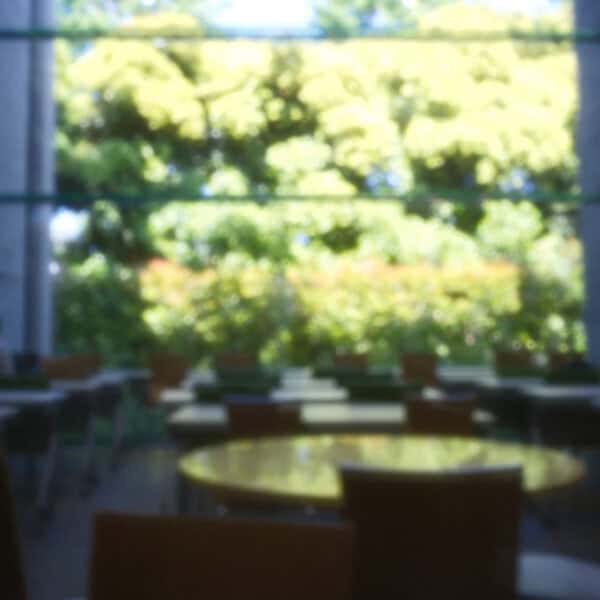
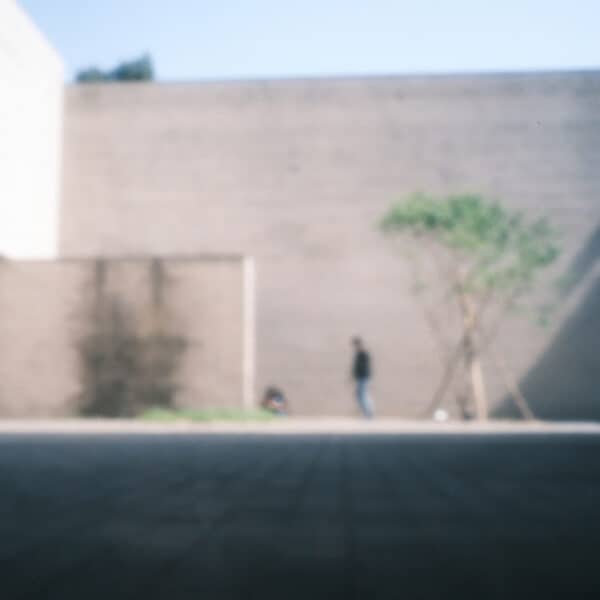
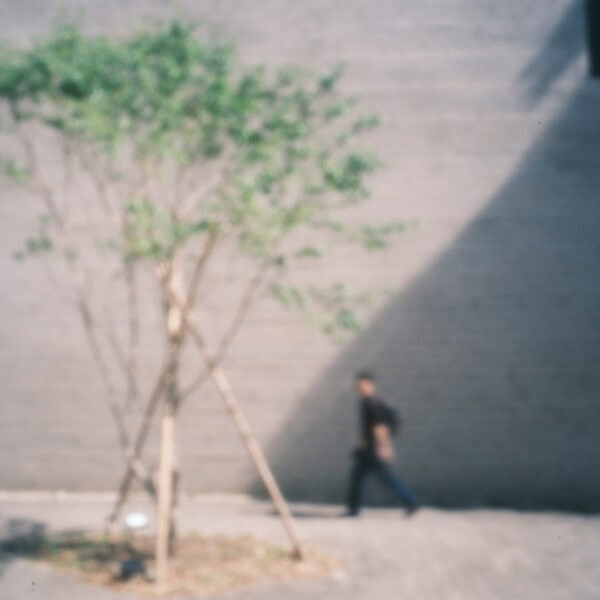
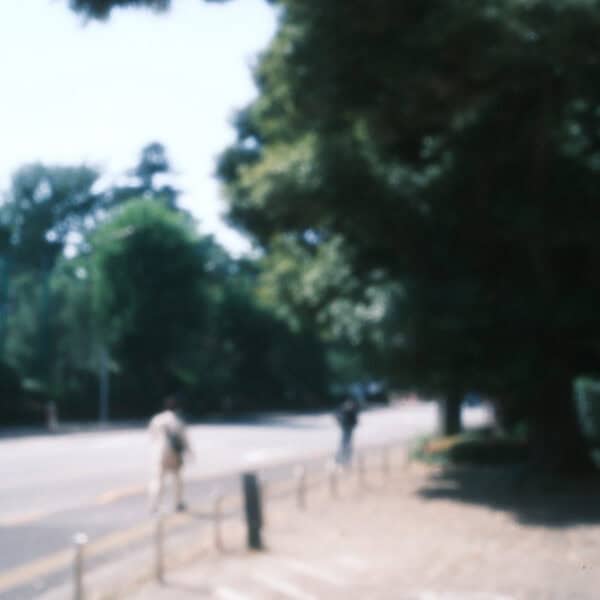
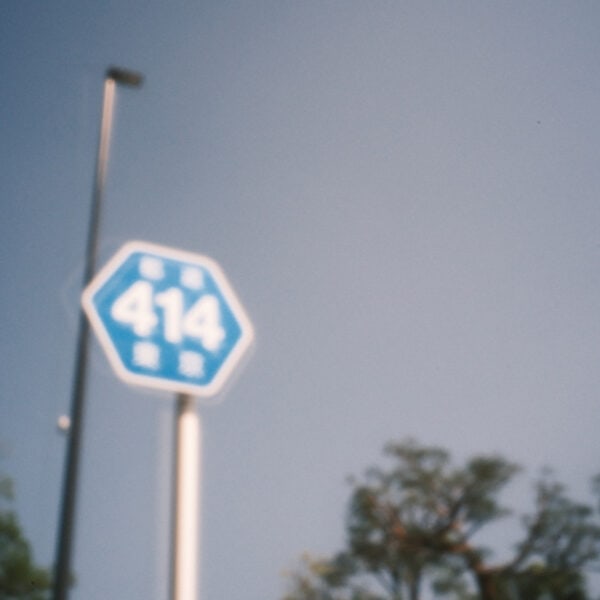
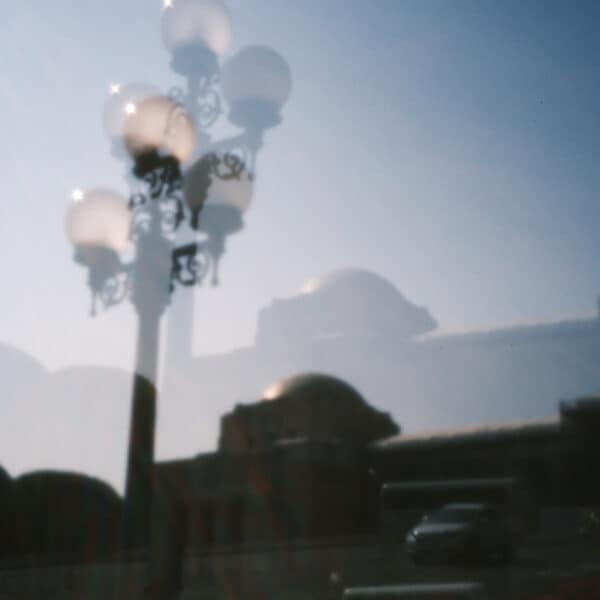
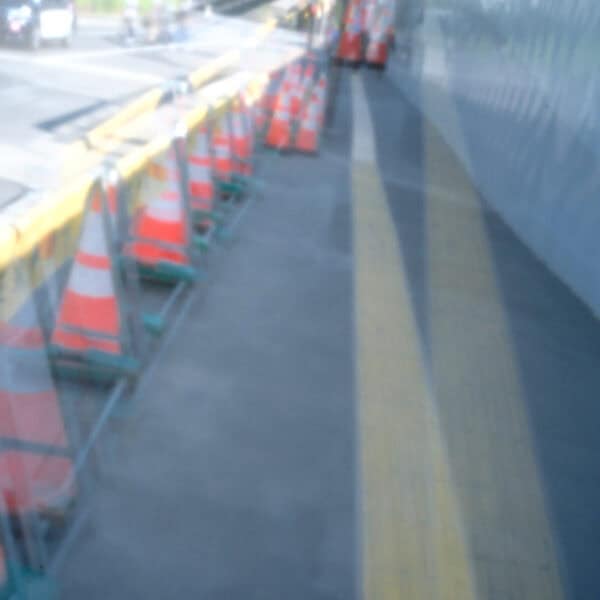
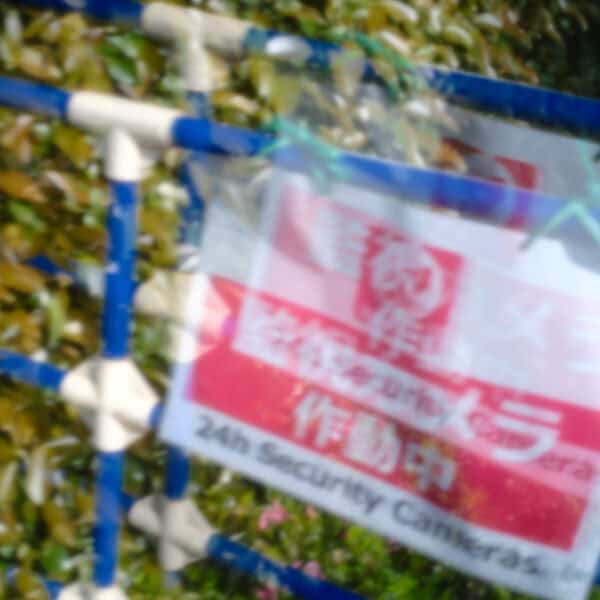
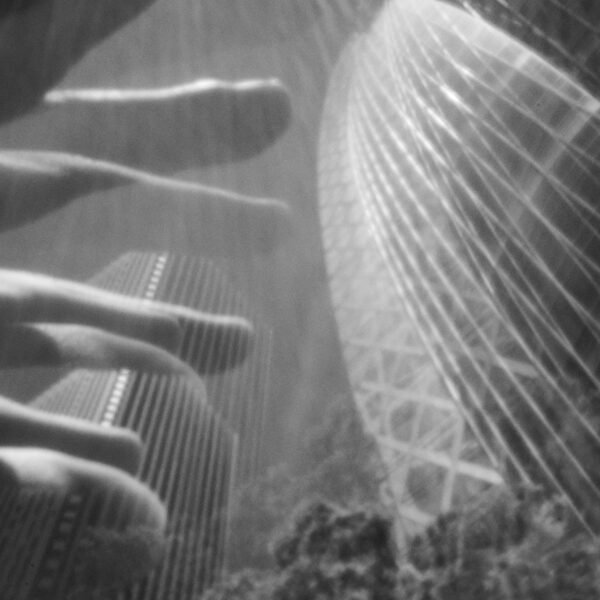
大学の授業でカメラ・オブスキュラとピンホールについての講義を受けました。授業内でボディキャップを使ったレンズを自作し、2日間を通して作品作りを行いました。
開けた穴のサイズや形、数によって映るイメージに大きな違いが出ることや、普段のレンズのようには写らないからこそ画像に現れるものなど、気付きや学びが多く非常に楽しい体験でした。
様々なパターンを作り、また他の学生の作品も参考にしながら、最終的に小さな穴を2つあけたレンズを選んで写真を撮影しました。
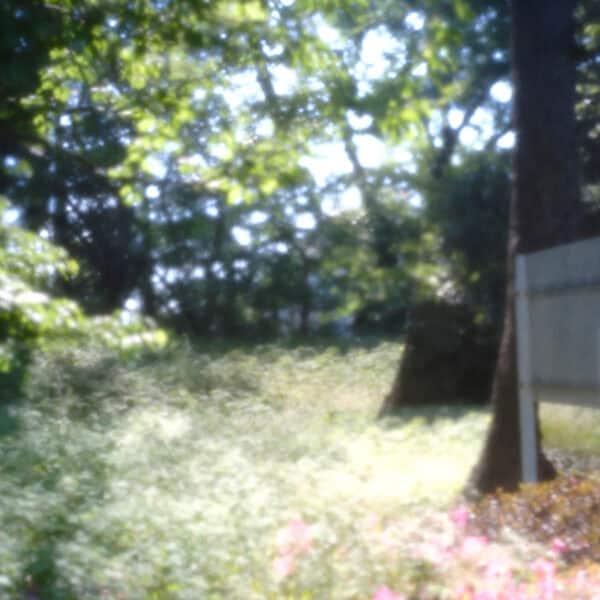
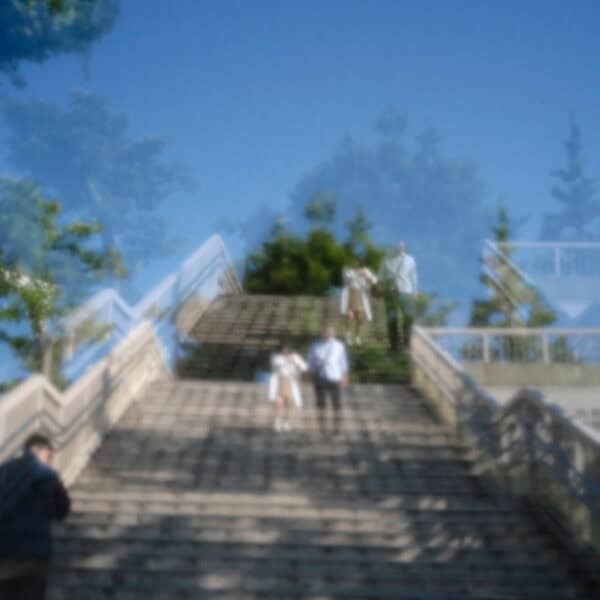
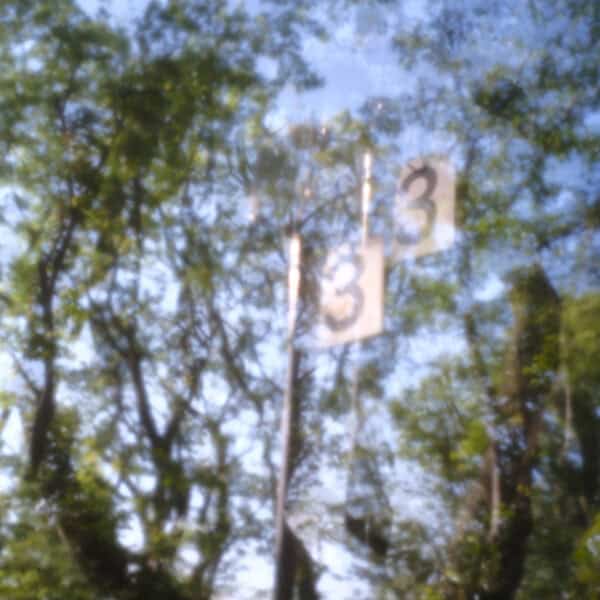
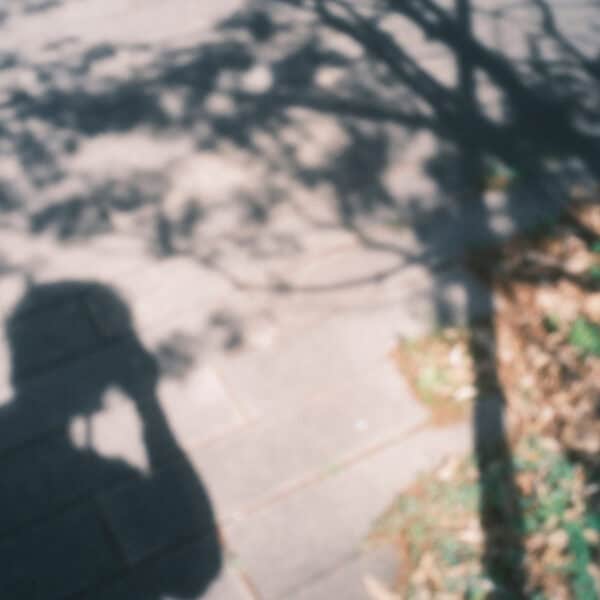
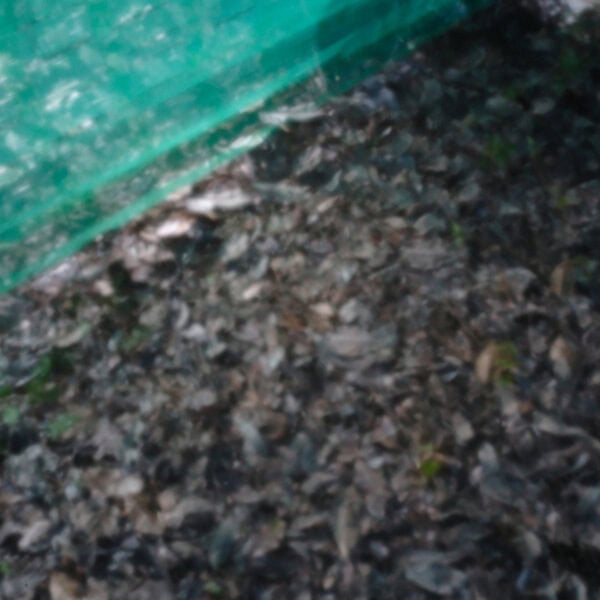
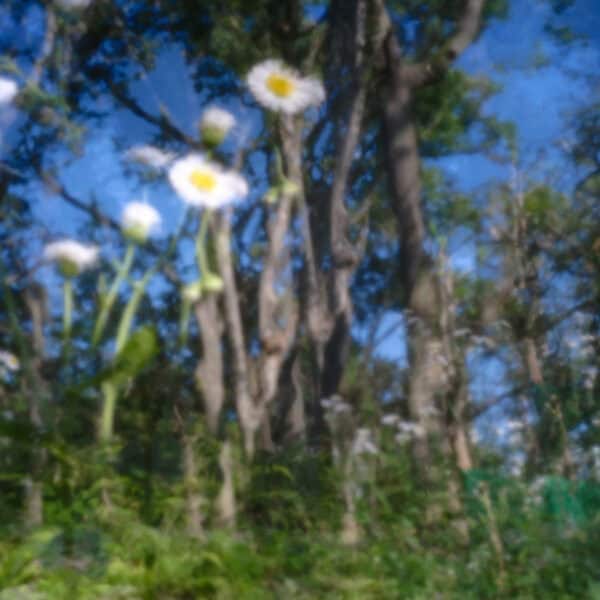
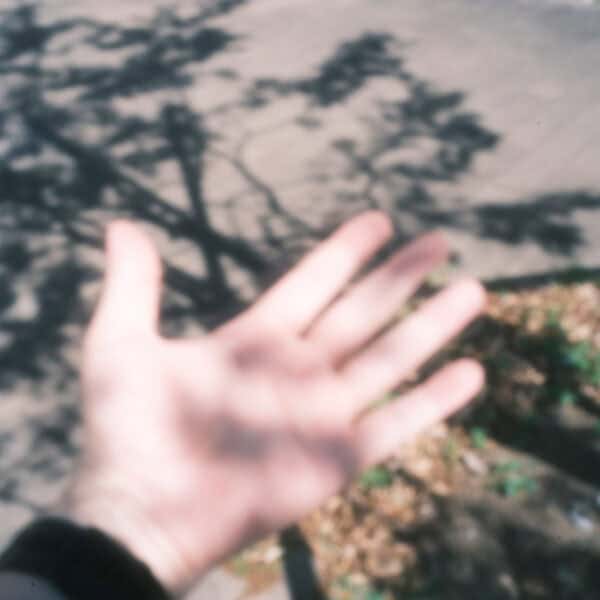
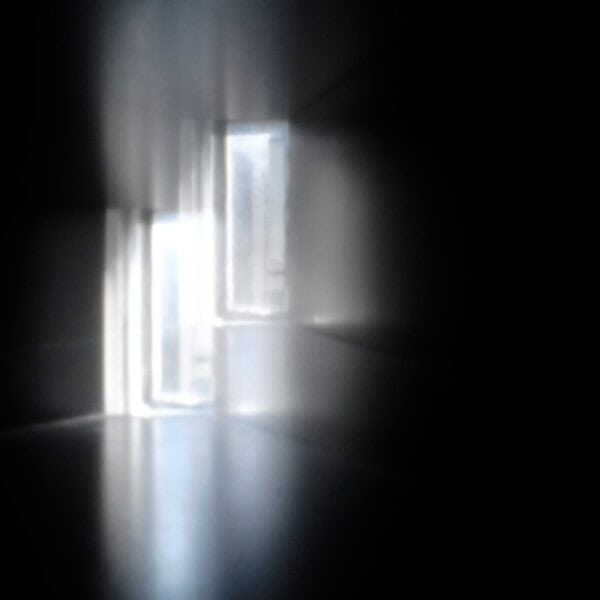
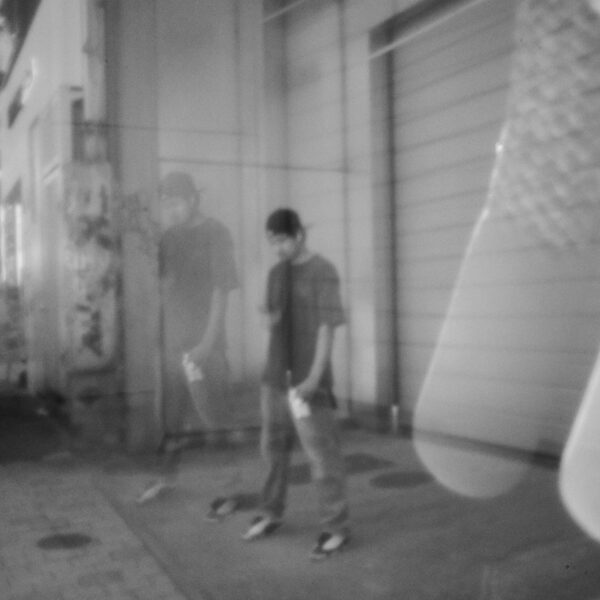
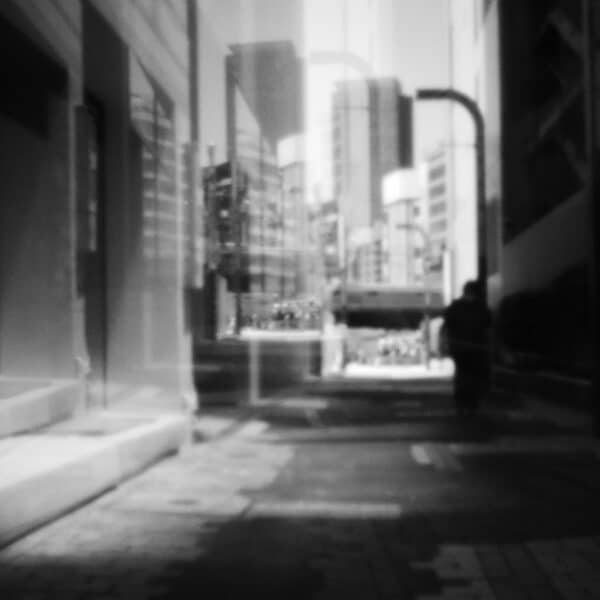
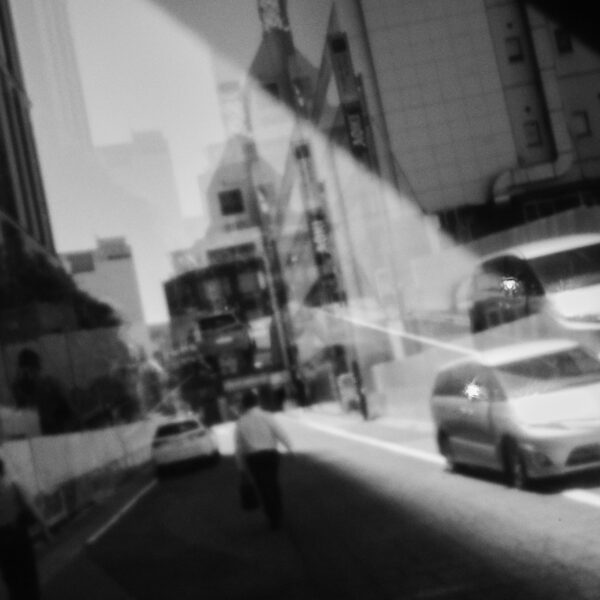
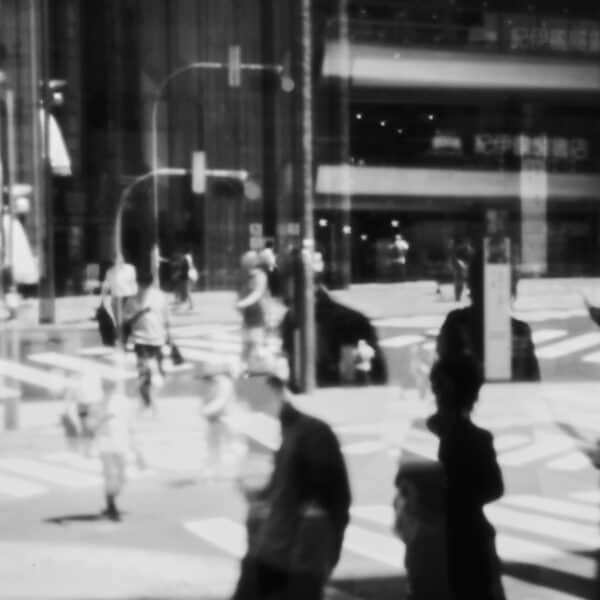
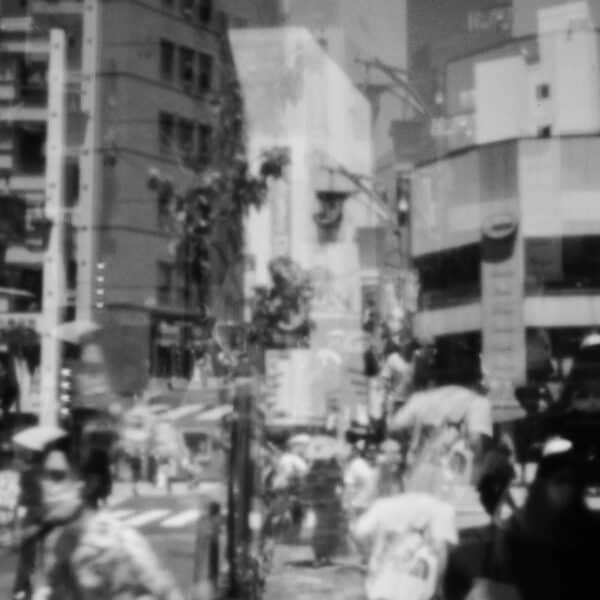
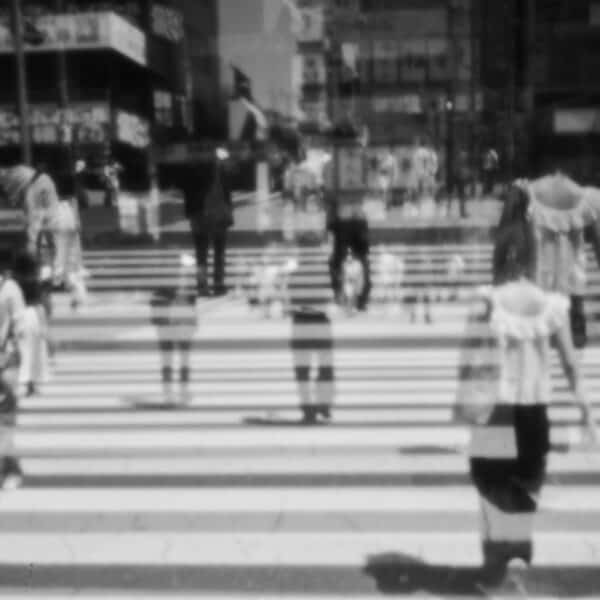
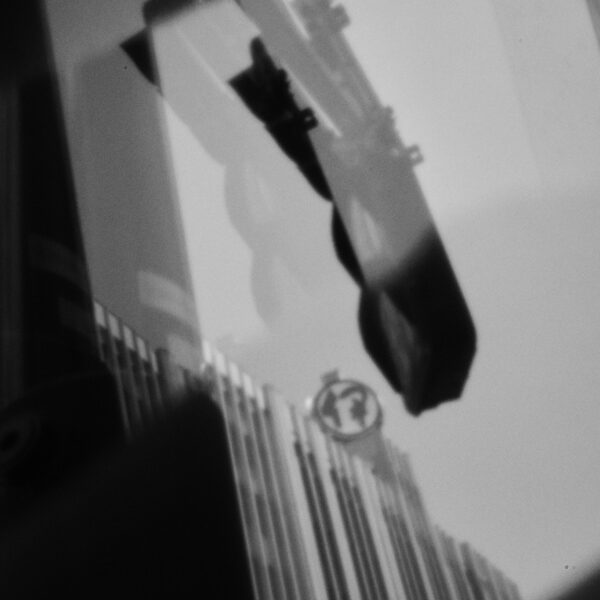
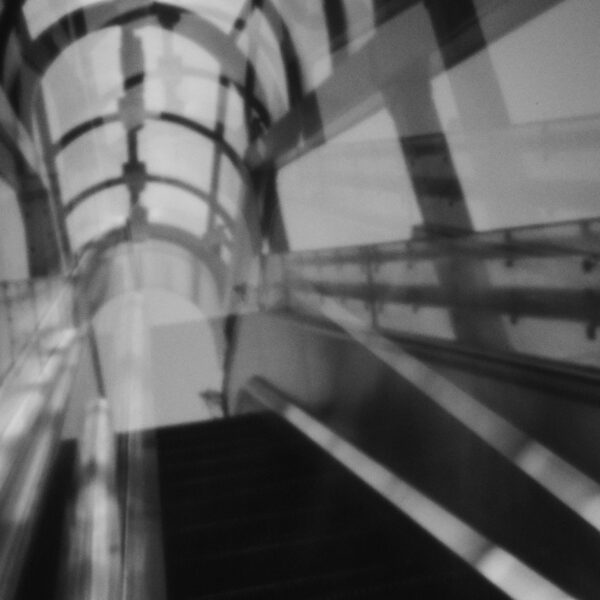
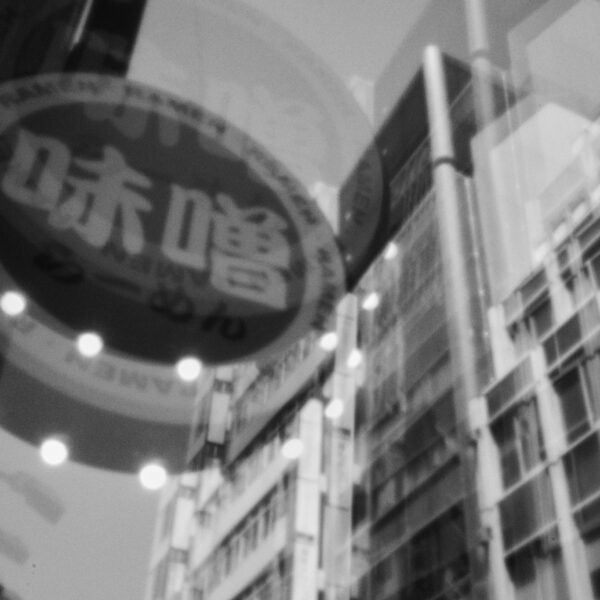
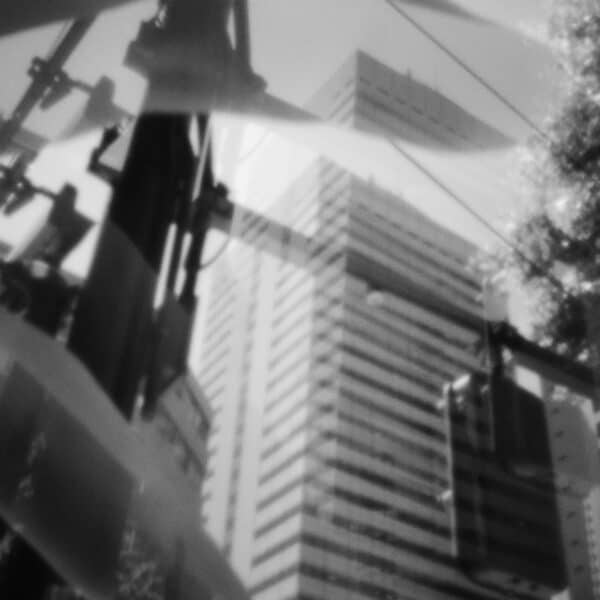
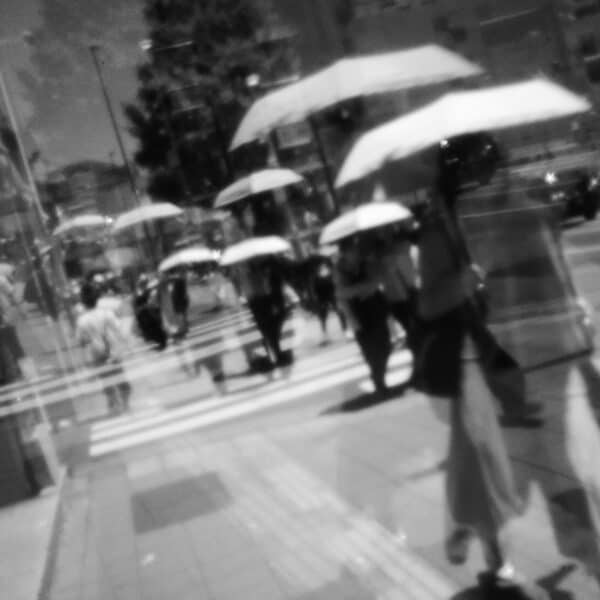
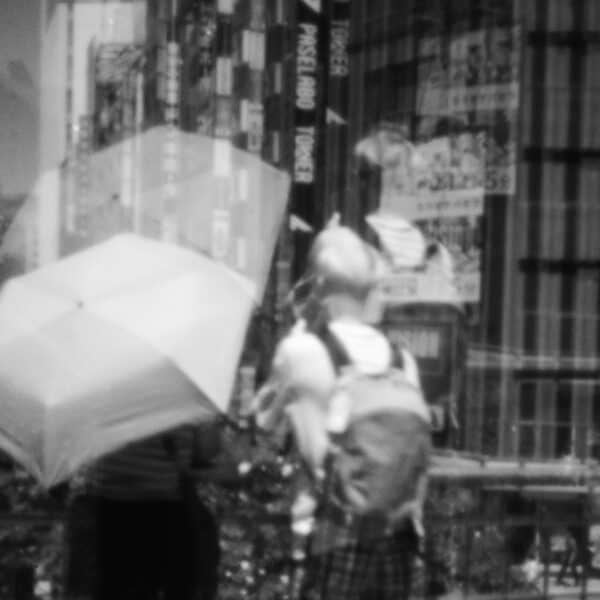
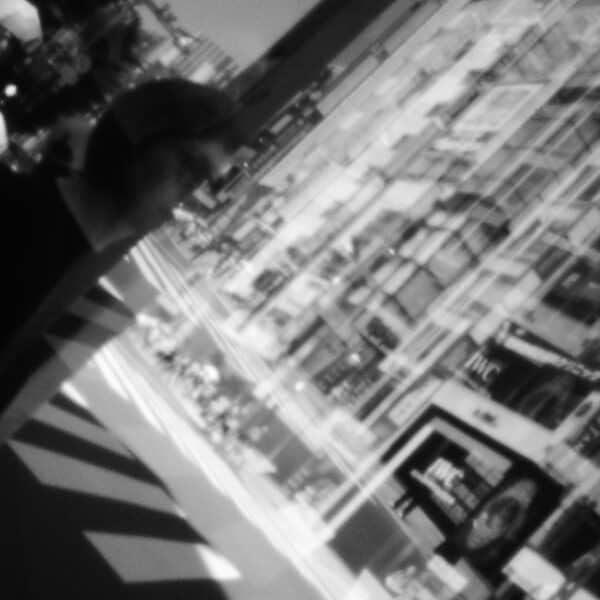
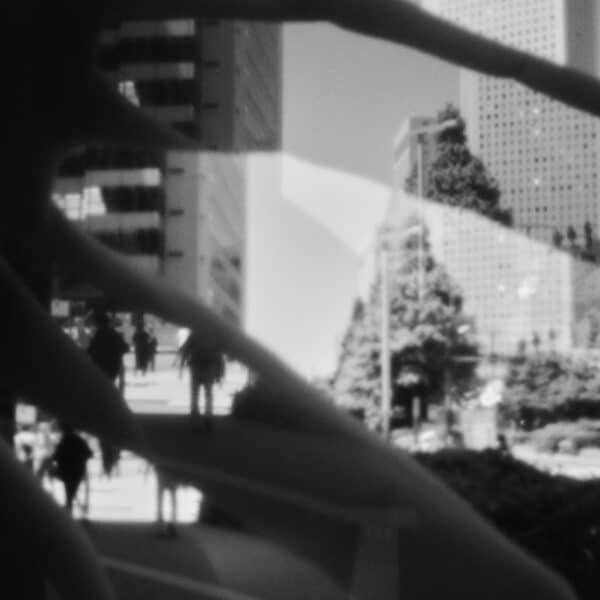
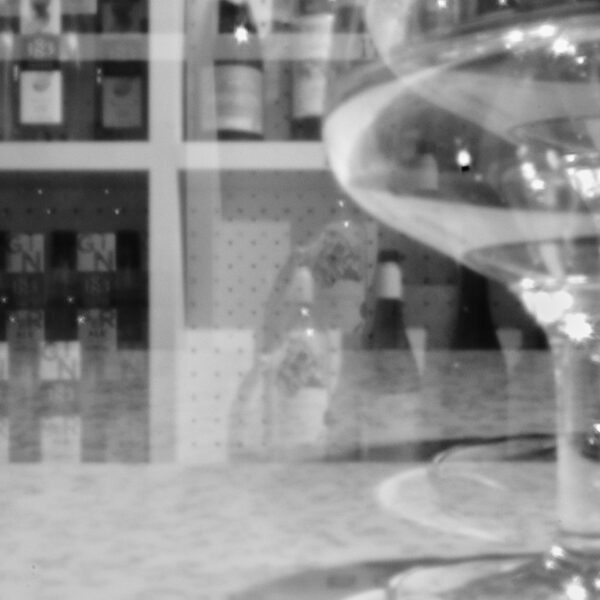
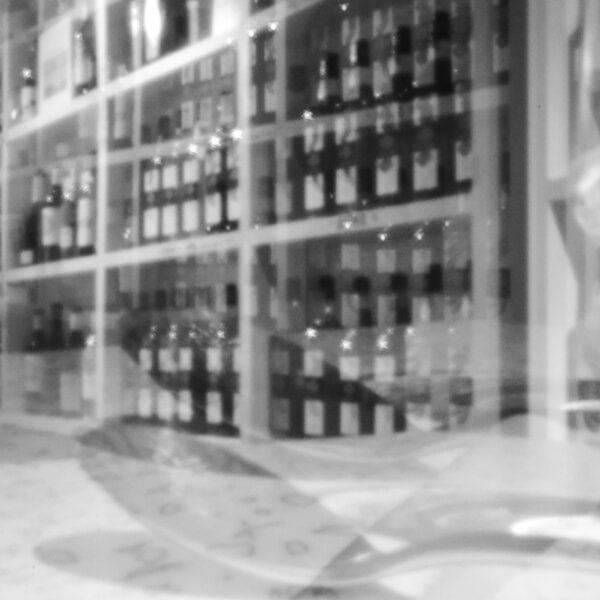
シンプルなピンホールレンズによる写真は、コントラストも解像感も低く、フレアや逆光耐性も通常カメラで使用するレンズとは別物でした。イメージは私の視覚以上に抽象化され、そこに本当は何があったのか、何を撮ろうとしたのか、すべてが曖昧でした。激しく降り注ぐようなフレアは雨のようにも見え、撮影場所は新宿周辺の都市や自然であるにもかかわらず、どこか懐かしいような、記憶を呼び起こすような体験をしました。
1日目はカラーで撮影し、2日目はコントラストを強調できるかもしれないと考え、モノクロで試してみました。
English Translation
(The following text is machine translated)
In a university class, I attended a lecture on the camera obscura and pinhole photography. During the class, we built our own lenses using body caps and spent two days creating work with them.
The size, shape, and number of holes drilled into the cap produced striking differences in the resulting image, and the things that emerged precisely because the lens didn’t render the world like an ordinary one were full of small discoveries. It was a genuinely enjoyable experience.
After trying out various patterns and looking at what the other students had made, I ended up choosing a lens with two small holes pierced into it and used that to take my photographs.
Photographs made with a simple pinhole lens are low in contrast and low in resolution, and their behavior with flare and backlight is something entirely different from the lenses I normally use. The images were more abstracted than my own sight; what had actually been there, what I had been trying to photograph — all of it was left ambiguous. The flares pouring violently across the frame looked almost like rain, and although I was shooting in the urban and natural spaces around Shinjuku, the pictures gave me the feeling of something nostalgic, as if old memories were being stirred up.
On the first day I shot in color. On the second day, thinking the monochrome might bring the contrast out more clearly, I tried shooting in black and white.